Tuesday, 12 May 2015

Hector Dolphins by Finn

Hector Dolphins

Classification
Hector Dolphins are mammals they also belong to the Dolphin family.It is the smallest Dolphins in the world.

Description
Hector Dolphins have fins called flukes they use their flukes to swim away from predators. They have two flippers to turn and stop.This sea creature has smooth skin to slide through the dark water and the Hector Dolphins have a blowhole on top of his back to breathe. Did you know that
this carnivore has 100 razor sharp teeth to rip it's prey?


Location
This sea creature only lives around the coast of New Zealand.

Dynamics diet
Hector Dolphins eat fish. They make a mud pile where the fish is so they can distract it. Then the group of Hector Dolphins swim around the fish, so one swoops in the circle of Dolphins and picks it up and eats it. Did you know that Hector Dolphins make clicking sounds to talk to another? They like to swim and play and also flip through the coast of New Zealand.

Dynamics- Life cycle

Male Hector Dolphins are called Bulls and the female are called cows and baby are called calves.

Conclusion
Hector Dolphins are the smallest Dolphin and are very intelligent.


By Finn

Hector Dolphins by Lucas

Hector Dolphins

Classification
Hector dolphins are small marine mammals. This sea creature weighs up to 50kgs and belongs the delphinidae family

Description
Adults hector dolphins measure between 1.2-1.4 metres long.  Hector Dolphins sides and back are light grey with white flames and smooth skin  to slide through the deep dark water. They have a dorsal fin to balance and have a blow hole to breath. This creature has 2 flippers to stop and turn they also have 100 sharp teeth to rip through its prey.

images
Location  
Hector Dolphins live on the coast of the South Island. Hector dolphins are often seen in the harbour.
Dynamics
Hector Dolphins enjoy surfing on the waves and like to play and flip and twist in the air. They also listen to echoes to find fish and hunt for food in pods. This creature makes sounds to talk. They also bark  and chirp. And also swim in pods of 2 or more

Dynamics -diet
This  creature eats fish and other food.They also make clicking sounds to find their food.

Conclusion
Hector Dolphins are named after a scientist called sir James hector and are small marine mammals .

images


BY LUCAS

Bull Sharks by Ethan


Bull Sharks


Classification
Bull sharks are carnivores. Did you know that Bull sharks can go in fresh water and salt water? They belong to the carchaminidoe family.

Description
The Bull shark can grow up to 2meters and 7 feet long. Bull sharks have razor sharp teeth to rip open it's prey. Bull sharks have rows of teeth. Bull sharks use their tall to shoot through the water.

Sting Rays by Andre

Sting Rays
Classification.      
Sting ray are sea creatures.Sting rays belong to the shark family and eat their family.

Description
Sting rays can grow to 8 metres long and they can weigh up to 1200 kg.This sea creatures has fin shaped wings to glide  through the  cold water.It's mouth is on the bottom and it's gills are also by its round eyes.Sting rays have a long spin on it's long tail.
images

Location
Stingrays live on ocean floors, rivers and lakes. You can also see Stingrays in Auckland’s Kelly Tarleton.

Dynamics
Stingrays eat fish,worms,shrimp,and clams.Stingrays have hard plates to crush shellfish or suck.This sea creature blends into its surroundings to hide from predators like sharks.
Stingraya move its wing shaped fins to glided through the cold water and swim near the top of the ocean and also some can fly. Stingrays can live up to 10 to 25 years.This sea creatures lifecycle is first it is born as a litter then a baby and then a Adult.
images
By Andre

Blue Whales by Sophia

The Blue Whale
                                                                              Classification 
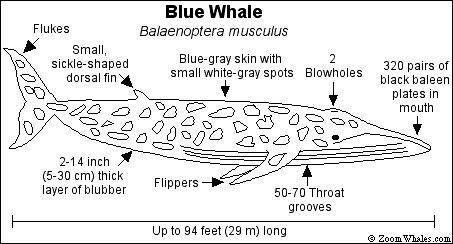
A Blue Whale belongs to the Balaenoptera family and is a mammal. Also they are warmblooded and are toothless. Females are usually longer then the males. Another interesting fact is that they have two blowholes and are right beside each other. Also they have upside down smiles. They are related to hippos.


Description

It's heart is almost as big as a  Volkswagon "beetle" car. Also it is larger then the biggest dinosaurs and an elephant can stand in it's mouth. Some whales are as big as a car but most are much bigger. When they are born their size is around seven metes long. On their dorsal fin there is a small sickle shape but males have two. This gigantic mammal also has blubber under their skin to keep warm. 


Location

A Blue Whale lives in all oceans around the world. Another fact is that they have been known to live on earth for as long as humans have. The Blue Whale lives in the  freezing cold Arctic and North Pole.


Dynamics- Diet
This sea creature eats Plankton, Krill, Fish, Shrimp, Larvae, Crabs, Squid and large marine animals such as Killer Whales, Sea Lions, Walruses, Seals, Sharks and Sea birds.


Dynamics - life cycle                                         
A Blue Whale lives for about thirty five years. Blue Whales come out of their mums and grow into grown-ups.       

Conclusion

Blue Whales are the largest living mammal and we must not hunt them or else they will become endangered.          


By Sophia          


Monday, 11 May 2015

Green Lipped Mussels By Nic

Green Lipped Mussels


Classification
Green- lipped mussels are shellfish and belong to the bivalves family.
There are 200 left and they live lower down on shore.


Description
This mussels can grow up to 20 cm long and have a shell for protection. Baby mussels can growth 10-30mm long and cling onto rocks. It's the largest mussel and it grows on rocks.   


Location


This  shellfish lives in New Zealand and London . They live lower down on shoreline and burrow into the sand. They also can be found at Ninety Mile beach and Golden Bay.

Dynamics


They feed on plankton and zaenon and are filter feeders.Green liped mussels clamp together on rocks and draws water through incurrent siphon. They  attach themselves to rocks so they don't get washed off. Their predators are humans , Sea-stars and birds.  


Life cycle
Green lipped mussels start life as a early lava and then turns into developing lava and grows a bivalves shall.


Conclusion
They are the most common mussel eaten by New Zealanders.
largeopenmussels-20100806-193335.jpg


By Nic

Sunday, 10 May 2015

Hammerhead by Blake

Hammerhead Shark

Classification
The hammerhead shark. A hammerhead shark is a carnivore.They are easy to spot because it's head is the shape of a hammer and it belongs to the shark family.

Description
Hammerhead sharks can grow to 13 to 20 feet long and has a hammer shaped head.

Location
Hammerhead sharks are found in warm waters.
The first hammerhead shark was found in1822.

Dynamics
A hammerhead shark eats fish,squid.hammerhead sharks have a pup every year. They live for 44+ years and breed every 2 years. They use their large head to see predators.
Hammerhead sharks look for food. They use their head to attack there food and people.They hunt alone and they eat fish,crabs,and squids.hammerhead sharks give birth to babies.It swims in warm waters. They look for food with there big eyes.

Conclusion
A hammerhead shark is a carnivore and its head is a shape of a hammer.

By Blake

Wednesday, 6 May 2015

Colossal Squid by Jeremy


The Giant Squid

Classification       

A giant squid is also known as a colossal squid. It is a carnivore and it's scientific name is Architeucthidae.  An interesting fact is that it is smaller than a bus and lighter than a piano .

Description
A Colossal Squid can be 33 feet to 48 metres in length. These huge squid are pink with eyes as big as plates ! ! ! . This creature has three brains and has rotating claws on its tentacles so it can capture its prey and then eat it with its medium mouth .

DYNAMICS

These massive squid use their razor sharp tentacles to tear open their prey    [ e . g . Whales ]. These  carnivores use jet propulsion to move around .

DYNAMICS   [ DIET ]

These creatures eat Whales , Fish , Sharks and lots of other sea creatures . It uses it's razor sharp tentacles to catch them .

DYNAMICS [ LIFE  CYCLE ]

This sea creature lives for 1 to 2 years .

CONCLUSION

This amazing sea creature has long tentacles with rotating hooks for catching it's prey and it lives for 1 to 2 years .


By Jeremy


Sea Stars by Max

Sea Stars

Classification
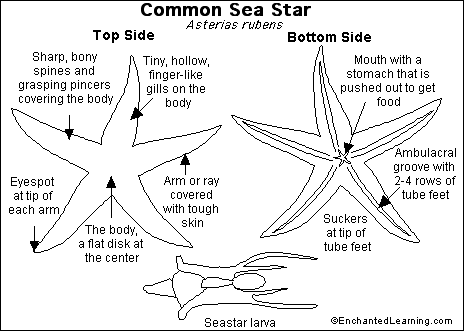
Sea Stars live for seven years. This invertebrate belongs to the squid and octopus family. There are 2000 different species of sea star. The biggest sea star is a sun star.

Description
Sea Stars can have many different colours and sizes. Also they are dying at a fast rate. Their mouth is in the middle of its body. Their legs can be long, short or stubby. This creatures has rays that are used for eating food, moving around and finding food. They have grooves on their body for protection.


Dynamics
This invertebrate crawls over large rocks to find food: like wolf eels, shells, mussels, oysters and clams. Their predators are mostly whatever swims above them. They pry open shells with their long legs which are called rays. They use their suckers to cling to rocks. To get a mate the male sea stars find a female and then they produce thousands of babies.    

Conclusion      
Sea stars are amazing animals even though they don't have a brain!! They don't have a very good eye sight.


By Max


sea stars by mya


BY MYA

CLASSIFICATION
The   real   name  for  a  star  fish  is  a  sea  star  because   a  star  fish     is  not  really  a  fish.A  sea  star  is  a  carnivore.They  belong  to  the
Echinoderm  family.This carnivore  has  no  brain.

DESCRIPTION

A  sea  star  can  have  up  to  50  arms.They  have  a  eye  on  ech  of  its  legs.Sea  stars  can  be  all  different  sizes , colors  and  shapes  but  all  are  a  star.It  takes  a  year  to    grow  a  another  leg.Some  have  spikes.

LOCATION
Sea  stars  can  be  found  under  rock    

Sea Stars by Jasmine

Sea Stars

Classification
Sea stars are carnivores. They are brightly coloured. Sea stars could sometimes have more than 10 legs did you know that sea stars have eyes on the tip of their arms. Sea stars family name is called a Echinodermata.Did you know that sea stars have tubed feet underneath their body. They have no brain or blood.

Description
Sea stars are star shaped. And Sea stars normally only have five arms.Did you know also Sea stars are five inches tall or more , a Sea stars colour depends on where it is.Sea stars are covered in spikes.A Sea star has got legs they are used for sucking onto the rocks.

Location
Sea stars can live anywhere in the sea. They have been around for 450 million years.Sea stars hang around shallow water. Did you know why they don't hang around deep water because they can't survive.

Dynamic
Sea stars move with 100's of tiny tubed feet underneath their body.This sea creature eats clams, oysters , sand dollars and mussels and they eat under water snails and injured fish.

Conclusion
Sea stars are amazing sea creatures.Sea stars have tiny tubed feet. They have no blood or brain.A sea stars colour depends on where it lives.


By Jasmine


Blue Moki by Skylar

Blue moki

Classification
The Blue Moki is a predator and it is in the latrididae family.Their scientific name is the Latradopsis calliaris. All fish are supposed to head south but some Blue Moki get lost and head north.

Description
The adult Blue Moki are 1m long and over 10 kgs and the younger ones are 30mm - 60 mm long.These creatures have a long but low dorsal fin,two anal fins and a deeply forked tail.The young mokis are olive green and older are more bluey grey in colour.

Location

Blue moki can be found in the Pacific oceans, New Zealand, Australian reefs,Chatham Islands,Auckland Islands,Rocky Reefs , Subtidal soft bottom and sub tidal rocky bottom.The Blue Moki has been around for 30 years.

Dynamics-life cycle
The Blue Moki lives for thirty years. It's life cycle is that most adults form schools offshore over mainly open bottom waters.But some adult mokis do not go to school but remain around reefs.


Dynamics diet
The blue moki eats crabs,small sea urchins,worms and shell fish.The blue moki finds its food on the bottom of reefs,soft bottom reefs.


Conclusion
The Blue Moki is an amazing predator and is in the Latrididae Family.


By Skylar


Blue Whale by Georgie

Blue Whales

Classification
The Blue whale is a marine mammal and is the biggest thing ever to have lived.A Blue whale can fit seven people in its mouth.They belong to the Balaenoptere family and its babies can weigh more then a fully grown Elephant.

Description
They have a big tail to push themselves through the warm blue water.This large tailed sea creature has two huge fins to glide through the water and a blowhole for breathing. The baby blue whale is about seven meters long e.g (7000 cm). The males are about 22 meters long and the females are about 24 meters long. They come in colours such as tan,black,white,blue and grey.When a Blue whale is fully grown it can weigh up to 180 tons.


Location
These carnivores live in the pacific ocean.Its been around for 1000 of years and lives in the warmer parts of the open sea.

Dynamics
Without its tail it wouldn't be able to glide through the ocean.Blue Whales eat krill,plankton,shrimp,fish,squid,octopus,large,small crabs,various crustaceans and benthic animals. It catches its baleen in its giant mouth. The Blue whales food is found in different parts of the Pacific Ocean.This sea creature can attack anything except for a pack of hungry orcas but we still have more to learn.

Conclusion
These amazing mammals could live for ever if nobody is going to kill them otherwise they will be an extinction.


By Georgie

The Common Octopus

The Common Octopus
Classification
The common octopus is a mammal which looks after her eggs by hanging up it's arms so no predators can steal the eggs.This octopus family is the common octopus family.A common octopus can squirt out black ink into the blue water so it can slip away from it's predators.

Description
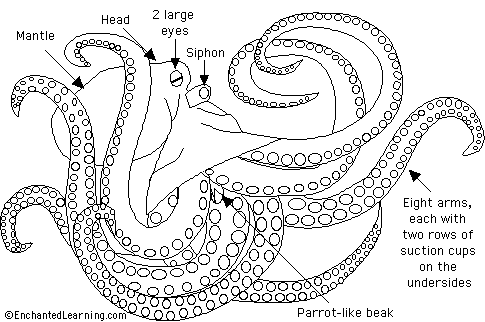
A octopus has strong white suckers that looks like white dots they use the suckers to cling onto things and attack predators.All octopuses have 8 coloured tentacles which help them creep and crawl if  and need to.An octopus also has it's mouth under it's 8 coloured tentacles with white dot suckers and also has 2 oval shaped eyes. 


Location
A common octopus and other octopus live in oceans all over the world and sometimes they come onto land and rocks but not very often.Octopuses live in the ocean because it's food is there and because it's the octopuses home.

Dynamics
A common octopus searches for it's prey so it can eat and protect her eggs from any dangerous predators by hanging up her arms.An octopus moves around by squirting out water from it's funnel near the eye.Also because they have no bones they can squeeze into small places like holes,cracks under rocks, under the sea and on land because they have no bones and to hide from its predators.An octopuses meal is crabs,shrimps and tiny eels.A common octopus catches it's prey by sucking it up in its mouth which is at the bottom of the octopus.An octopus finds it's food in the ocean.A common octopuses eggs hatch after four to six weeks. A common octopus is a mammal and change colour with a cemacal


Colossal Squid by Phoenix

Classification
A Colossal Squid is a omnivore the colossal squid also a giant squid.

Description
This sea creature has 2 large eyes to see in the dark and it has a brain! It has 90cm tentacles and it has rotating hooks  on its tentacles.

Location
The colossal squid lives in Atlantic oceans and North oceans.

Dynamics
The Colossal Squid it moves around by sucking up water through its funnel. This creature eats tooth-fish. It lives for up two years and there are not many around.

Conclusion:
This sea creature is very rare.


By Phoenix 

Blue whale by Charli


BLUE WHALE

Classification
A blue whale is a mammal. This sea creature belong's to the baleen family and the female whale is longer than the males.
Not like all sea creatures a blue whale weighs 150 tonnes.A blue whale normally swim's in group's or alone or in pairs.

Description
A blue whale has fluke eyes and a blow hole.This sea creature is 90 feet long. Not like all whales a blue whale has two blow holes for breathing out of.

Location
A blue whale lives in all of the Seas around the world.
This sea creature is the largest creature ever to have lived on earth.The blue whale lives in Arctic and the North Pole.

Dynamics-what it does
Blue whales spend most of their summers feeding in polar waters.Not like all sea creatures a blue whale goes 32 kilometres an hour. When the blue whale brings it's head out of the water to look around this is called spy hopping. Also when they bang their tails on the high surface of the water this is called lob tailing.It uses its tail to move around

Dynamics- Diet
A Blue whale eats Krill,Plankton,Shrimp,fish,Squid,Octopus,Larvae,small crab,various and crustaceans. Not like all sea creatures a blue whale catches it's food through its baleen. They find there food in the warm water of the Pacific Ocean.

Dynamic-Life cycle
A blue whale lives around 80 to 90 years old.

Conclusion
Blue Whales are amazing creatures and they are the largest mammal in the world.


By Charli

Dolphins by Zenah

Dolphins 

Classification
Dolphins are mammals. They belong to the dolphin family. Dolphins can grow up to more than 406 pounds. 

Description
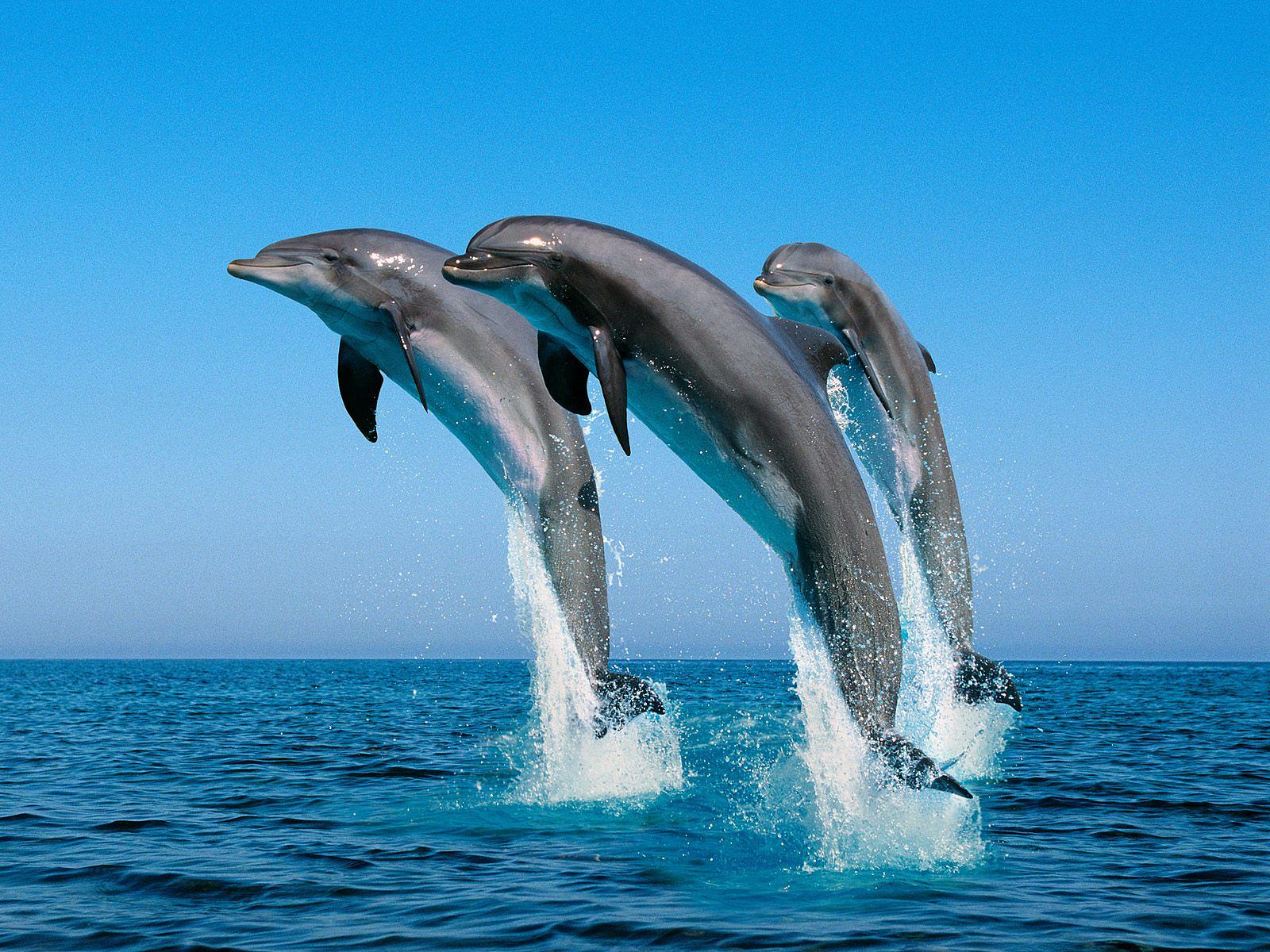
Dolphins have up to one hundred teeth to catch their food. They have fins and a tail so they can swim. Dolphins have a dorsal fin on their back so it can stop it from rolling. They have a blow hole on their head so they can breathe. 

Location
Dolphins live in New Zealand in the coastal waters. They like to live in warm waters.

Dynamics
They like to jump and play. Dolphins can stand on their tails. Dolphins like to play by jumping in the  air. Dolphins dive down deep to catch fish. They work as a team to find their food. Dolphins can live for up to forty years. Dolphin like to live in groups called pods.  They can swim very fast in the waters and they can dive very deep. They breathe air through their blowhole.  

Conclusions
Dolphins are intelligent creatures.


By Zenah.

Hector dolphins by Josh


Classification

One of the rarest dolphins in the world is the hector dolphin.
The name of this species is for Sir james hector the scientist that was first to really examine them.

Description
It is also classified as one of the smallest marine dolphins.
The body is of this dolphin is torpedo shaped and a short body that is very stocky. They are light grey on the body and white cream on the belly. 


Location
Hector dolphins are found only in the inshore waters of Aotearoa new Zealand.Hector dolphins are also found around the coast of the south island but the distrbution
is 


hector dolpins by Jamila


Dolphin                                                                         

Classification
The hector dolphin is a mammal. This sea creature belongs  to the dolphin family and lives in only New Zealand. Some dolphins are smaller than a person some are bigger the than a bus. Dolphin's have up 100 teeth. 


Description

Hector Dolphin females have a longer belly. Hector dolphins are the smallest dolphins in the world and they are the only dolphins that have a rounded black dorsal fin. This dorsal fin helps them to balance. These dolphins are grey.


Location

This dolphin lives only in the ocean around New Zealand and in coastal waters.

Dynamics
This sea creature  swims in groups and speaks to each other by making a clicking noise. hector dolphins drink milk  
they eat fish , squid and shrimp. Dolphin's eat there food